
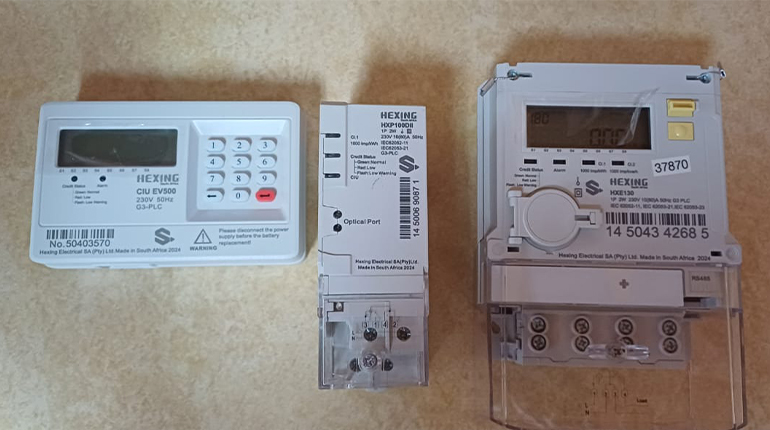
Ever wondered why you sometimes receive fewer prepaid electricity units even though you spend the same amount? It is not an error; it is how the Inclining Block Tariff (IBT) structure works. Mogale City applies this tariff to ensure fair, consumption-based billing, and here’s what every household needs to know.
- Electricity is sold in blocks (tiers), and each block has a different price per kWh.
- The first block is the cheapest, giving you the highest number of units for every rand spent.
- As you continue buying electricity within the same month, you progress into higher blocks, where the price per kWh increases.
- Because the price rises with each block, the same amount of money buys fewer units as the month progresses.
- These blocks reset on the 1st of every month, meaning you start again from the cheapest block.
Why do you sometimes receive fewer electricity units
If you buy electricity multiple times in one month, the system tracks your total kWh purchases. Once the cheaper blocks are used up:
- You automatically move into the next block
- Units become more expensive
- The same purchase amount results in fewer units
This is why buying early in the month (before advancing into higher blocks) results in more units.
Example: Lebo, a Mogale City resident with a prepaid electricity meter, buys R200 worth of electricity on 1 March. Because this is her first purchase of the month, she receives units from Block 1, which is the cheapest block.
By 20 March, Lebo has used up her units and buys another R200. This time, she receives fewer units because she has now moved into Block 2 or Block 3, where the price per kWh is higher.
Even though she paid the same amount, the system charges more per unit at this stage of the month so she gets fewer units.
On 1 April, Lebo buys electricity again. Since blocks reset at the start of every month, she is back in Block 1, meaning she receives more units for her R200 again.
Key tips for you
- Buy once per month, preferably at the beginning of the month
- Avoid making several small purchases, as this pushes usage into higher blocks faster
- Try not to top up during the last week of the month unless necessary
- Monitor usage to plan purchases more effectively