
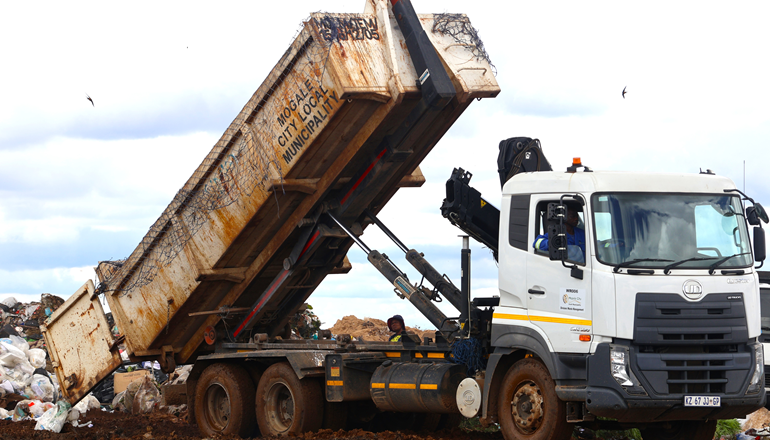
Environmental crimes often go unnoticed, but their impact is felt by everyone. Whether it is illegal dumping, pollution of rivers and streams, or harmful emissions into the atmosphere, environmental offences can have a lasting impact on public health, natural resources and the communities we live in.
The municipality’s Environmental Management Inspectors play a critical role in monitoring compliance with environmental legislation and investigating activities that may place the environment at risk. Businesses and residents are therefore encouraged to operate responsibly and report activities that may negatively impact the environment.
What are environmental crimes?
Environmental crimes include activities that violate environmental laws and regulations and result in pollution, environmental degradation, or harm to ecosystems.
Examples include:
- Illegal dumping of waste on open land, wetlands, or into stormwater systems.
- Discharging sewage or wastewater into rivers, streams or other watercourses.
- Poaching of protected or endangered species.
- Illegal clearing of indigenous vegetation or destruction of wetlands.
- Accidental or negligent spills of hazardous substances that may harm the environment.
- Building or erecting structures in environmentally sensitive areas such as wetlands or riverbanks.
The role of Environmental Management Inspectors
Environmental Management Inspectors conduct inspections and investigations to monitor compliance with environmental legislation. Individuals and businesses found to be in contravention of environmental laws may face fines of up to R10 million, imprisonment of up to 10 years, or both. The municipality encourages all stakeholders to play their part in protecting the environment and preventing pollution.
Report environmental crimes
Residents and businesses are encouraged to report suspected environmental offences through the municipal Call Centre on 0861 664 253 or via WhatsApp on 083 787 2814.
When reporting an incident, please provide:
- The nature of the activity or offence
- The location of the incident
- Details of the suspected transgressor, where available
- Photographs or other supporting evidence, if possible
All reports will be treated confidentially, and the identity of whistle-blowers will be protected.
Together, we can protect our environment for future generations.